
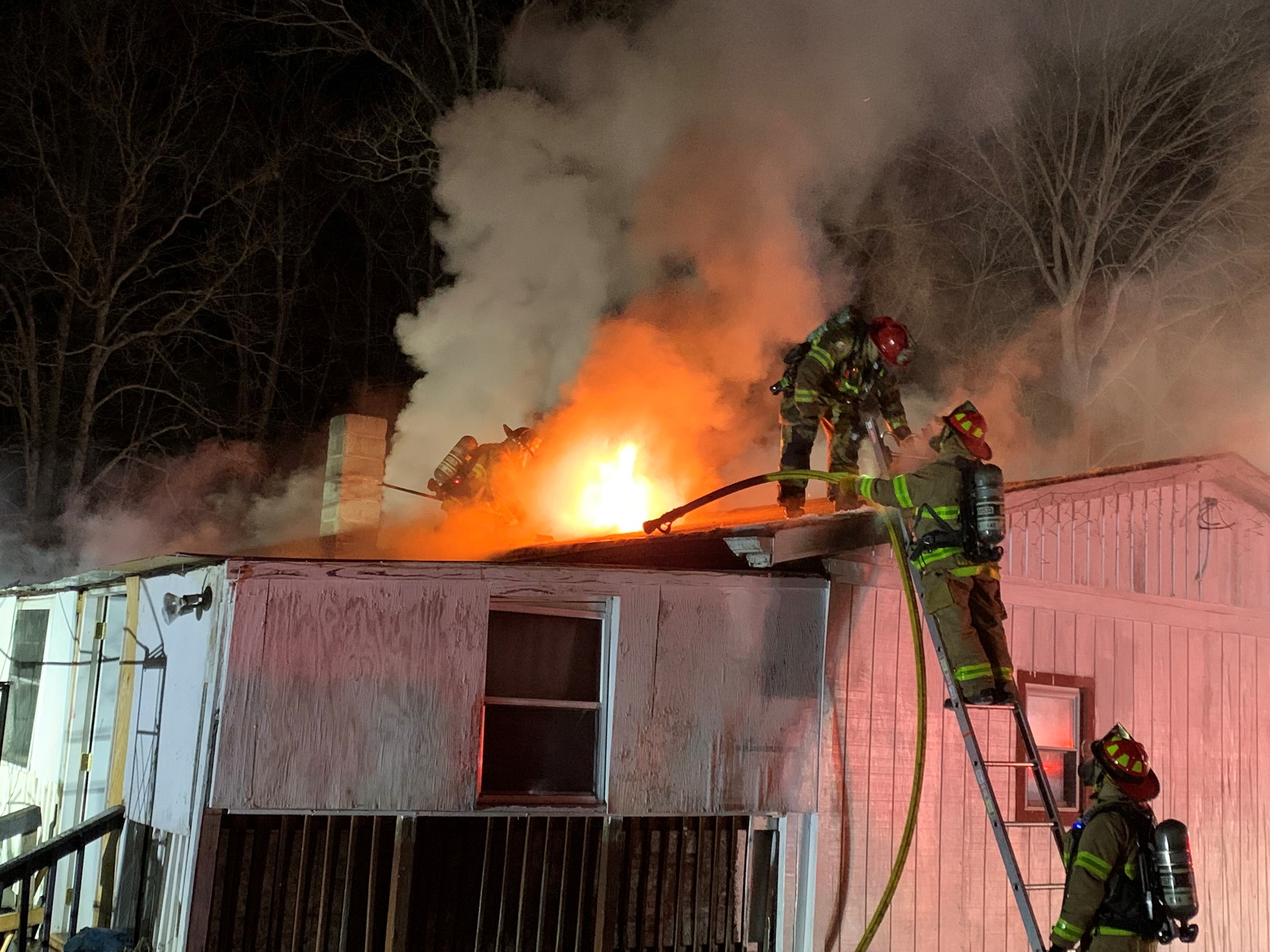
An arson charge in Texas is one of the most serious property-related criminal accusations a person can face, carrying severe penalties that can include lengthy prison sentences, substantial fines, and lifelong consequences for employment, housing, and civil rights. Under Texas law, arson is not limited to setting fire to a building for dramatic effect — it is broadly defined and aggressively prosecuted, often based on complex fire investigations and circumstantial evidence.
For anyone accused of arson in Texas, understanding how the charge works, what the state must prove, and how these cases are defended is essential to protecting your legal rights and your future.
How Texas Defines Arson
Texas Penal Code Section 28.02 defines arson broadly. In general terms, a person commits arson by intentionally starting a fire or causing an explosion with intent to destroy or damage property, or by being reckless about whether the fire or explosion will endanger a person’s life or another person’s property. This can include homes, businesses, vehicles, vegetation, fences, and structures on open-space land — and even a person’s own property under certain circumstances.
Many people are surprised to learn that you can face an arson charge in Texas even if you owned the property involved, particularly if the fire endangered others, was intended to collect insurance proceeds, or damaged neighboring property.
The statute also covers situations that don’t involve a deliberate decision to burn something down:
- Reckless fires during drug manufacturing. If a fire or explosion occurs while someone is manufacturing or attempting to manufacture a controlled substance and it damages a building, habitation, or vehicle, that alone can support an arson charge — even without intent to start a fire.
- Intentional fires with unintended consequences. Someone who intentionally starts a fire but recklessly lets it spread to a neighbor’s property, or recklessly causes injury or death in the process, can still be charged with arson even though the resulting harm wasn’t the goal.
How Arson Charges Are Classified
The severity of an arson charge depends on several factors: whether the fire caused bodily injury or death, whether the property was a home or place of worship, and the circumstances under which the fire was set.
- Second-degree felony — the baseline charge for intentionally starting a fire or explosion to damage or destroy property. Punishable by 2 to 20 years in prison and a fine of up to $10,000.
- First-degree felony — applies when the fire caused bodily injury or death, or when the property targeted was a habitation or a place of assembly or worship. Punishable by 5 years to life in prison.
- State jail felony — applies to fires connected to drug manufacturing where no one was seriously hurt, or to certain reckless conduct that damages another person’s property. Punishable by 180 days to 2 years in a state jail facility.
- Third-degree felony — a drug-manufacturing fire is elevated to this level if it causes serious bodily injury or death. Punishable by 2 to 10 years in prison.
Even cases involving unoccupied structures, vehicles, or open land can result in significant felony exposure, which is why early legal intervention is critical regardless of how “minor” the fire may seem.
How Prosecutors Build an Arson Case
Prosecutors handling arson cases in Texas rely heavily on fire investigators, forensic evidence, and expert testimony. These investigations often involve burn-pattern analysis, chemical residue testing, and expert opinions about a fire’s origin and cause.
Fire science, however, is not infallible. Numerous wrongful convictions across the country have been linked to outdated or misapplied fire investigation techniques — methods that were once considered reliable but have since been discredited by modern research. For someone fighting an arson charge in Texas, this creates real opportunities for a strong defense, particularly when the state’s case is built on assumptions rather than definitive proof.
To secure a conviction, the prosecution must prove beyond a reasonable doubt that the defendant’s conduct met the statutory definition of arson, including the required intent or recklessness. Intent is often the most heavily contested issue in these cases. Accidental fires, electrical failures, equipment malfunctions, and natural causes can all mimic the signs of arson, especially when investigators are under pressure to identify a suspect quickly.
Common Defense Strategies
A skilled defense strategy may focus on:
- Challenging the origin-and-cause determination. Exposing outdated methodology, weak evidence collection, or investigator bias.
- Attacking circumstantial evidence. Prosecutors often lean on alleged financial motive, prior disputes, or a defendant’s presence near the scene. While motive can be relevant, it is not proof of guilt, and Texas law does not permit convictions based on speculation alone.
- Raising constitutional and procedural issues. Defense counsel may examine whether investigators followed proper protocols, preserved evidence correctly, and complied with constitutional requirements during searches, interrogations, and arrests. Violations can lead to suppression of key evidence.
- Demonstrating an accidental or undetermined cause. In some cases, the strongest approach is showing the fire was accidental or that its cause cannot be established with sufficient certainty.
Arson and Insurance Fraud Allegations
In some arson cases, allegations of insurance fraud become intertwined with the criminal accusation. If prosecutors believe a fire was set to collect insurance money, they may pursue additional charges or use financial records to argue intent.
These cases are especially complex, often involving parallel civil and criminal proceedings that require careful coordination of defense strategy to avoid self-incrimination. Statements made to insurance adjusters, investigators, or law enforcement can later be used against the accused — even if the person believed they were simply cooperating. This is one of the most important reasons anyone under investigation for arson in Texas should seek legal representation before providing detailed statements or consenting to searches.
The Long-Term Stakes
Penalties are only part of the risk. A conviction for arson can result in:
- A permanent felony record
- Loss of firearm rights
- Difficulty obtaining professional licenses
- Long-term reputational and employment harm
In cases involving fatalities, an arson conviction may also expose a defendant to enhanced sentencing or related homicide charges.
Building a Defense
Because of these high stakes, defending against an arson charge in Texas often requires collaboration with independent fire experts, forensic analysts, and investigators who can review the state’s evidence and offer alternative explanations. Defense strategies are highly fact-specific — some cases hinge on demonstrating an accidental or undetermined cause, while others focus on lack of intent, mistaken identity, unreliable expert testimony, or constitutional violations. Pretrial motions, expert challenges, and strategic negotiations with prosecutors can sometimes result in reduced charges or dismissal, depending on the evidence.
Every arson case in Texas turns on its own facts, and outcomes depend on the quality of the investigation, the credibility of witnesses, and the effectiveness of the legal defense.
If You’re Facing an Arson Charge
If you are facing an arson charge in Texas, it is not a matter to take lightly or attempt to handle alone. These cases move quickly, and early decisions can have lasting consequences. Consulting with a criminal defense attorney experienced in arson cases can help you understand the charges, evaluate the evidence, and develop a strategy focused on protecting your rights at every stage of the process.
This content is for informational purposes only and does not constitute legal advice. For guidance on your specific situation, consult a licensed attorney.